From Field to Fermenter: Why American Hop Farmers Are the Unsung Heroes of Craft Beer
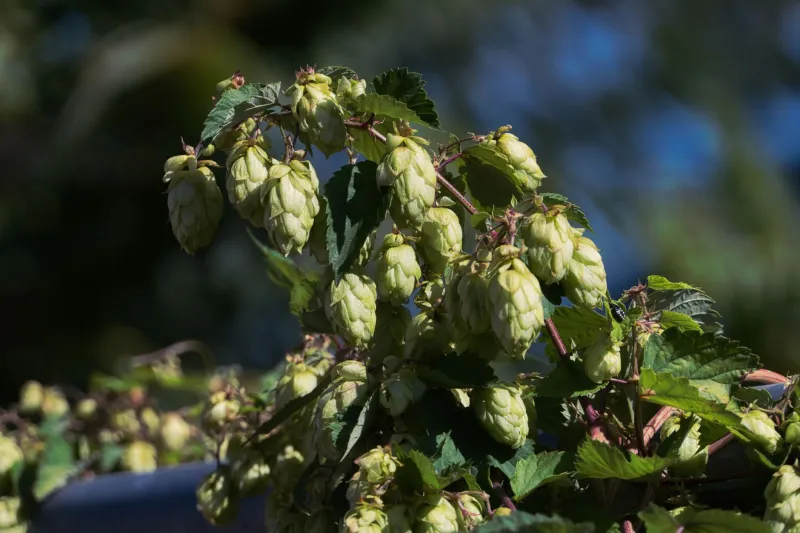
Before a single grain gets milled or a kettle gets fired, before the yeast wakes up and the tanks start bubbling, someone planted something in the ground. They tended it through unpredictable weather, fought off pests, harvested at exactly the right moment, and then figured out how to get it to a brewery that would do it justice. That person is a farmer, and in the American craft beer world, they don't get nearly enough credit.
The relationship between craft breweries and local agriculture is one of the most compelling — and most underreported — stories in American food culture right now. It's a story about supply chains, sure, but it's also about identity, sustainability, and what it means to make something genuinely rooted in a place.
The Geography of American Hops
For most of the 20th century, American hop production was concentrated almost entirely in the Pacific Northwest — specifically Washington's Yakima Valley, Oregon's Willamette Valley, and Idaho's Treasure Valley. These regions still produce the vast majority of domestic hops, and for good reason: the climate, soil, and day-length conditions there are nearly ideal for hop cultivation.
But over the past decade, something interesting has been happening on the margins. Driven partly by the craft beer boom and partly by a broader interest in regional food systems, hop farmers have been establishing operations in places that would have seemed unlikely twenty years ago. Michigan, New York, Virginia, Colorado, Vermont, and even parts of the Deep South now have working hop yards producing commercially viable quantities of cones.
In New York's Hudson Valley, farms like those in Columbia County have been experimenting with varieties that thrive in the Northeast's shorter growing season, producing hops with flavor profiles — earthy, floral, sometimes almost herbal — that differ meaningfully from their West Coast counterparts. In Michigan, hop production has made a quiet comeback after nearly disappearing in the early 20th century, with farmers in the Traverse City area growing Centennial, Cascade, and newer experimental varieties.
Out in the Midwest, Illinois and Wisconsin growers are proving that hop farming can work east of the Rockies with the right drainage, trellis systems, and varietal selection. It's not Yakima, but it doesn't have to be.
Why Local Sourcing Changes the Beer
There's a practical argument for sourcing hops regionally — fresher ingredients, shorter transit times, more direct relationships with growers — but there's also a flavor argument, and it's a compelling one.
Hops, like wine grapes, express terroir. The soil composition, rainfall patterns, and temperature swings of a specific region leave fingerprints on the flavor compounds that develop in the cone. A Cascade hop grown in the Yakima Valley will taste subtly different from the same variety grown in the Finger Lakes. Neither is wrong. They're just distinct, and that distinctiveness is exactly what craft breweries should be chasing.
"When we use locally sourced hops, we're not just checking a box about supply chain ethics," explains one of Stein Brew Co.'s lead brewers. "We're actually getting ingredients that taste like somewhere specific. That's what makes a beer interesting. That's what gives it a story."
At Stein Brew Co., we've been building direct relationships with regional hop growers for the past several years. Our hop sourcing strategy prioritizes farms within a defined radius of our brewery when the variety and quality meet our standards, and we visit those farms personally before signing on. It's slower than just ordering through a distributor. It's also a lot more rewarding — and the beer shows it.
Grain: The Overlooked Half of the Equation
Hops get most of the attention in conversations about local sourcing, but grain — malted barley, wheat, oats, rye — is equally important to a beer's character, and regional grain farming has been experiencing its own quiet renaissance.
Small malthouses have been popping up across the country, bridging the gap between local grain farmers and craft brewers who want to use their product. In Vermont, Maine, and the mid-Atlantic, operations like these are sourcing heritage barley varieties from nearby farms, malting them in small batches, and selling to breweries that want something more expressive than commodity malt.
The results can be striking. Locally malted barley often carries more varietal character — nuttier, earthier, sometimes slightly sweeter — than standardized commercial malt. For brewers who are trying to build a genuinely distinctive product, that additional dimension of flavor is worth the extra effort and cost.
We've incorporated locally malted grain into several of our seasonal releases at Stein Brew Co., and the feedback from guests has been consistently enthusiastic. People can taste the difference, even if they can't always articulate exactly what's different. That's terroir at work.
The Economic Case for Keeping It Regional
Beyond flavor, there's a straightforward economic argument for craft breweries to prioritize regional agricultural partnerships. Every dollar spent with a local hop farmer or grain grower cycles through the regional economy in ways that purchasing from a national commodity supplier does not. The farmer reinvests in their equipment, hires local labor, buys from local feed stores and hardware suppliers. The multiplier effect is real.
For farming communities that have been squeezed by consolidation, commodity price volatility, and the general challenges of small-scale agriculture in America, a reliable craft brewery partner can be genuinely stabilizing. A multi-year contract with a brewery that values your product and pays a fair price is the kind of arrangement that lets a farmer plan for the future.
This matters to us at Stein Brew Co. because our purpose-driven mission isn't limited to what happens inside the taproom. It extends to the supply chain behind every beer we make. If we're going to talk about being rooted in our community, that has to include the agricultural communities that make our recipes possible.
What You're Supporting When You Choose Craft
The next time you pick up a pint at Stein Brew Co. — or at any craft brewery that takes its sourcing seriously — it's worth thinking about the chain of hands that got those ingredients to the glass. A farmer who planted rhizomes in spring and harvested cones in late August. A maltster who carefully controlled temperature and humidity to bring out the best in a barley variety. A brewer who respected those ingredients enough to let them express themselves.
Craft beer, at its best, is a form of agricultural storytelling. And the more of us — brewers and drinkers alike — who support that story, the richer and more diverse American brewing culture becomes.
We'll drink to that.