Brewing the Past Back to Life: America's Lost Beer Styles Are Making a Comeback
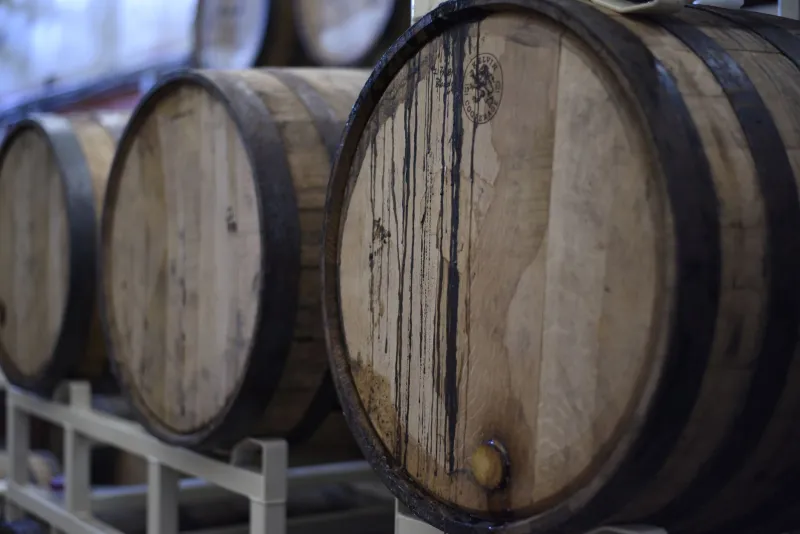
Walk into most American bars fifty years ago and your choices were pretty simple — a light lager, a lighter lager, or whatever was on special. Industrial brewing had done its job almost too well, flattening a once-wild landscape of regional beer traditions into something safe, consistent, and largely forgettable. But here's the thing about forgettable: people eventually remember what they've been missing.
Right now, across taprooms from Vermont to Oregon, a quiet revolution is underway. Craft brewers are pulling on rubber boots, wading into the murky waters of American brewing history, and emerging with recipes that predate the refrigerator, the aluminum can, and in some cases, the United States itself. This isn't nostalgia for nostalgia's sake — it's a genuine reckoning with what American beer used to be, and what it could be again.
Before the Lager Takeover
Most people assume American beer has always been light and fizzy. It hasn't. Colonial-era brewers worked with whatever was available — persimmons, spruce tips, pumpkins, molasses, corn, and a rotating cast of wild botanicals. These weren't gimmick ingredients. They were practical solutions to the reality of brewing on a continent without established hop farms or reliable grain supplies.
Early American ales were often dark, murky, and aggressively flavored by today's standards. Tavern brewers in the 1700s produced small beer (a low-alcohol daily staple), porter-style ales, and all kinds of spiced concoctions that would feel more at home in a medieval apothecary than a modern sports bar. When German immigrants arrived in the mid-1800s and brought lager yeast with them, the cultural tide started to shift. By the time Prohibition hit in 1920, it didn't just interrupt American brewing — it effectively erased the institutional knowledge that had kept these older styles alive.
When the ban lifted in 1933, the country rebuilt its beer industry almost entirely from scratch, and efficiency won out over variety. The regional, the weird, and the historically complex got left behind.
The Researchers Behind the Revival
Recovering these styles isn't as simple as Googling an old recipe. Modern craft brewers who take this work seriously are part historian, part archaeologist, and part experimental scientist. Some collaborate directly with food historians and university researchers. Others spend months tracking down botanical references in 18th-century agricultural journals or decoding handwritten brewing logs from colonial taverns.
Gruit ale is one of the most compelling examples. Before hops became the universal bittering agent in beer, brewers used a blend of herbs called gruit — typically a mix of yarrow, wild rosemary, and sweet gale, among other botanicals. Gruit ales were common in medieval Europe and made their way into early American brewing traditions through Dutch and German settlers. They're earthy, herbal, and nothing like what most Americans expect from a beer. Several craft breweries have taken on the challenge of recreating them, sourcing botanicals from specialty growers and leaning on historical texts to get the ratios right.
Sahti, a Finnish-style farmhouse ale traditionally brewed with juniper branches and rye, has also found its way into the American craft scene. It's a style that was never really American to begin with, but immigrant communities brought it over and brewed it quietly for generations before it disappeared into the broader homogenization of American drinking culture. Today, a handful of brewers in the Upper Midwest — where Scandinavian heritage runs deep — are bringing it back as both a cultural tribute and a genuinely delicious, funky, slightly resinous beer.
And then there's steam beer, sometimes called California Common, which has a story deeply tied to American ingenuity. Born out of the Gold Rush era, when San Francisco brewers lacked the cold temperatures needed for proper lager fermentation, steam beer used lager yeast at ale fermentation temperatures. The result was something entirely its own — crisp but fruity, clean but complex. Anchor Brewing famously kept the style alive through the 20th century, and now dozens of craft breweries are putting their own spin on it.
Why It's Technically Hard
Reviving these styles isn't just an intellectual exercise — it's genuinely difficult brewing work. Many historical recipes were imprecise by modern standards, written for brewers who worked by intuition and sensory experience rather than measured gravity readings. Ingredients like heritage grain varieties or specific wild botanicals aren't always commercially available, which means brewers sometimes have to grow their own or work directly with specialty farms.
Wild fermentation adds another layer of complexity. Some colonial styles relied on ambient yeast strains that no longer exist in the same form. Recreating that microbial environment requires experimentation, patience, and a willingness to dump a batch or two that goes sideways. The brewers doing this work aren't just following instructions — they're making educated guesses informed by research, then tasting, adjusting, and trying again.
There's also the challenge of modern palates. A beer that was completely normal in 1780 might taste strange or even off-putting to someone raised on pale ales and IPAs. Part of the art is finding the balance between historical authenticity and drinkability — honoring the original while making something that today's beer drinkers will actually want to finish.
The Community That's Keeping It Going
What makes this revival sustainable isn't just the individual brewers — it's the communities forming around them. Homebrewer forums dedicated to historical styles have thousands of active members trading research notes and sharing results. Beer festivals with dedicated heritage categories are drawing crowds who want something beyond the usual tap list. And drinkers who discover these styles often become their most passionate advocates, dragging friends to taprooms and proselytizing over pints.
There's something deeply satisfying about that. American craft beer culture has always had an evangelical streak — people who find a great beer feel compelled to share it. When that energy gets pointed at styles that carry centuries of history, it takes on a different kind of weight. It's not just about the flavor. It's about reclaiming something that was almost lost.
What's in Your Glass Could Be Centuries Old
Next time you're at a taproom and you spot something unusual on the menu — a gruit, a heritage porter, a steam beer, a colonial-style ale brewed with spruce or molasses — order it. Ask the brewer about it. There's almost always a story worth hearing.
The fermentation happening in that tank might be guided by research that took years to complete. The botanicals in that glass might come from a small farm growing varieties that haven't been used commercially in a century. And the person who made it probably lost a few batches figuring out how to get it right.
That's what craft brewing at its best has always been about — not just making good beer, but making beer that means something. And right now, some of the most meaningful pours in America are the ones reaching furthest back into history.