Less Alcohol, More Craft: How Sessionable Beers Are Rewriting the Rules of Flavor
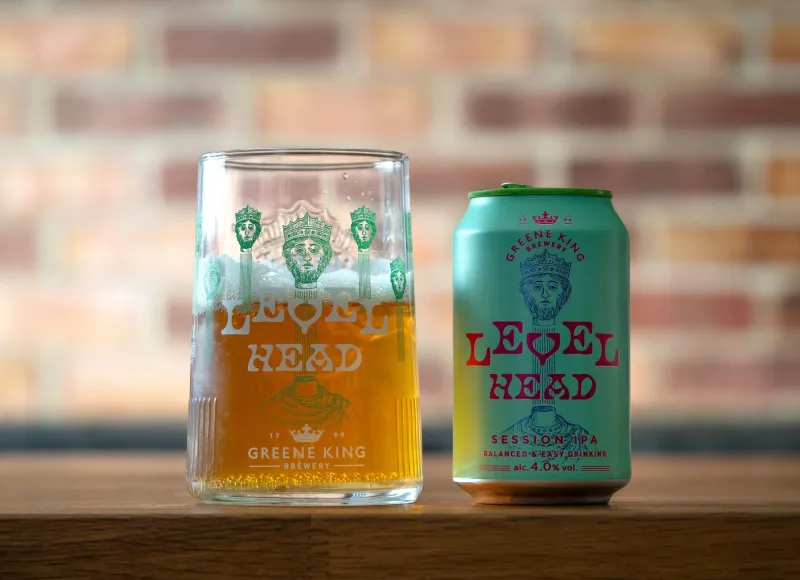
There's a long-standing assumption in craft beer culture that bigger means better. A double IPA pushing 9% ABV? Bold. A barrel-aged imperial stout that practically glows in the dark? Legendary. But somewhere between the arms race for higher alcohol and the growing demand for all-day drinkability, a quieter revolution has been brewing — one that's forcing some of the most talented brewmasters in the country to rethink everything they know about flavor.
Welcome to the age of the sessionable craft beer.
What Does "Sessionable" Actually Mean?
If you've spent any time at a taproom lately, you've probably heard the word thrown around. But what does it actually mean? In the simplest terms, a session beer is one with a lower alcohol by volume — traditionally under 5%, though many brewers draw the line at 4.5% or even 4%. The name comes from the British pub tradition of drinking through a long "session" without ending up under the table.
In the American craft beer scene, though, sessionability has evolved into something far more intentional. It's not just about drinking more pints. It's about crafting a beer that delivers genuine complexity, aroma, and character without leaning on alcohol as a crutch for body or warmth. And that, as it turns out, is a lot harder than it sounds.
Why Low ABV Is a High-Skill Challenge
Here's the thing most casual drinkers don't realize: alcohol contributes significantly to how a beer tastes and feels in your mouth. It adds body, carries aromatic compounds, and creates that warming sensation on the finish. Strip it away, and you're left with a much less forgiving canvas.
"You can hide a lot of flaws behind a big, boozy beer," says one Midwest-based head brewer who has spent the last several years developing a lineup of session ales. "But when you're working under 5%, every single decision matters. The malt bill, the hop timing, the yeast strain — there's nowhere to hide."
That pressure has pushed brewers toward some genuinely innovative techniques. Water chemistry, often overlooked in conversations about craft beer, becomes critically important in session brewing. Adjusting mineral content — particularly sulfate and chloride levels — can dramatically affect how hop bitterness and malt sweetness balance on the palate, compensating for what alcohol normally provides.
Mash temperature is another lever brewers are pulling. A higher mash temp produces more unfermentable dextrins, leaving residual sweetness and a fuller mouthfeel even when the final ABV is modest. It's a small tweak with a surprisingly large impact on the drinking experience.
Ingredient Selection: Getting More From Less
The ingredients going into sessionable beers have also shifted. Hop-forward session IPAs — sometimes called "XPAs" or "table beers" — rely on late-addition dry hopping to pack in aroma and flavor without piling on the bitterness that can overwhelm a lighter-bodied brew. Varieties like Mosaic, Citra, and Galaxy have become workhorses of the style precisely because they deliver intense tropical and citrus notes even in smaller quantities.
On the malt side, brewers are getting creative with specialty grains. Flaked oats and wheat add a silky texture that helps compensate for the reduced alcohol body. Munich and Vienna malts bring a gentle toasty sweetness without pushing gravity too high. Some brewers are even experimenting with adjuncts like rice or corn — ingredients that once carried a negative connotation in craft circles — to lighten the body while preserving clarity and crispness.
Yeast selection plays a starring role, too. Certain English ale strains are prized for the fruity esters they produce even at lower fermentation temperatures, adding layers of complexity that don't require a single extra percentage point of alcohol. Other brewers are turning to Belgian-inspired strains that generate spicy phenolic notes, giving a session saison or witbier a personality that punches well above its weight class.
The Consumer Shift Driving Demand
It would be easy to chalk the sessionable beer movement up to a health trend — and there's definitely something to that. Younger drinkers, particularly millennials and Gen Z consumers, are more health-conscious than previous generations. They're reading labels, tracking calories, and increasingly curious about what's actually in their glass. A 4.2% pale ale with 140 calories fits more comfortably into a balanced lifestyle than a hazy double IPA at twice the punch.
But reducing the sessionable movement to a wellness trend misses the bigger picture. Plenty of the people reaching for low-ABV craft beers aren't counting calories — they're chasing flavor. They want something interesting and well-made that they can drink through an entire afternoon at the taproom without losing the thread of conversation. They want to taste the hops on the third pint the same way they did on the first.
That shift in expectation is pushing taprooms to rethink their tap lists. Where a rotating lineup once skewed heavily toward big, boozy flagships, more craft breweries are dedicating permanent handles to well-crafted session options. It's not replacing the imperial stouts and double IPAs — it's expanding the conversation.
Bold Restraint: A New Kind of Craft Philosophy
At Stein Brew Co., we've always believed that bold doesn't have to mean loud. The same philosophy that drives a great craft beer — intention, quality ingredients, technical precision — applies just as powerfully to a 4% table beer as it does to a 10% barrel-aged monster. In some ways, the restraint required to build a genuinely satisfying session beer demands more creativity, not less.
The brewers leading this movement aren't settling. They're solving a puzzle that the industry spent decades ignoring. And the results — a crisp, aromatic session IPA that somehow tastes like it should be twice as strong, a delicate saison with a finish that lingers long after the glass is empty — are quietly redefining what craft beer can be.
So next time you're scanning the tap list and your eye drifts past the 4.3% pale ale toward something bigger, maybe pause for a second. Ask yourself what went into that lower-ABV option. Because chances are, the answer is: a whole lot more than you'd expect.
The best beers aren't always the biggest ones. Sometimes, the most impressive thing a brewer can do is show extraordinary restraint — and make it taste effortless.