Drink From Your Collection: Building a Stein Lineup That Earns Its Shelf Space
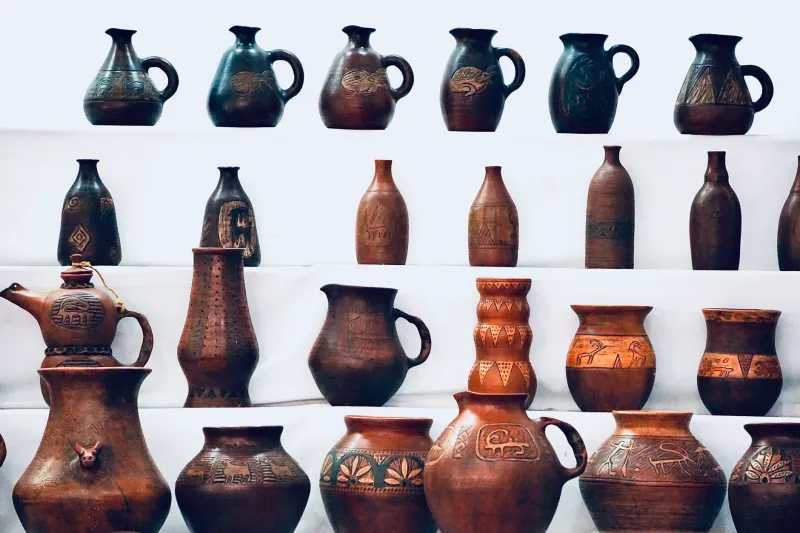
There's a certain kind of stein collector who buys a hand-painted German stoneware piece at a festival, sets it on a shelf above the fireplace, and never touches it again. And then there's the other kind—the one who pulls that same stein down on a cold Friday night, fills it with a robust dunkel, and wonders why they ever drank from anything else.
If you're reading this on a craft beer website, chances are you belong—or want to belong—to the second group.
Building a stein collection that actually gets used requires a different mindset than collecting for display. It means thinking about beer styles, occasions, materials, and the sensory experience of drinking. It means understanding that a great vessel doesn't just hold your beer—it changes how you taste it.
Start With Beer, Not the Vessel
Most collectors make the mistake of starting with aesthetics. They see a beautiful hand-engraved pewter stein at an antique market and buy it on impulse. That's not necessarily wrong, but it's a harder way to build a functional collection.
The smarter approach is to start with the beers you actually drink.
"I looked at my fridge and my tap list first," says Marcus Webb, a homebrewer and stein collector based out of Asheville, North Carolina, who's been curating his collection for nearly a decade. "I drink a lot of German-style lagers, wheat beers, and the occasional imperial stout. So I built my collection around those three categories before I ever worried about what looked good on a shelf."
For lagers and pilsners, tall, slender steins with thin walls let you appreciate clarity and carbonation. Traditional Bavarian Mass-style steins—those iconic one-liter ceramic monsters—are built for exactly this kind of beer. For wheat beers, a slightly wider mouth helps release the aromatics. For dark, heavy styles like stouts or bocks, you want something with heft and insulation, which is where thick stoneware really earns its keep.
The Four Materials Worth Knowing
Not all steins are created equal, and material matters more than most people realize.
Stoneware and ceramic are the workhorses of any serious collection. They insulate well, keep beer cold longer than glass, and have a tactile quality that just feels right in your hand. Traditional German stoneware steins—the kind with salt-glaze finishes and hand-thrown proportions—are widely available at import shops, specialty retailers, and estate sales across the US.
Glass is the most versatile option for functional use. You can see the beer, which matters for appreciating color and clarity, and modern artisan glassblowers in the US are producing some genuinely stunning pieces. Look for borosilicate glass if you want durability alongside beauty.
Pewter is where things get interesting for collectors. Antique pewter steins carry serious history, and many feature hinged lids—a design element that originated in 14th-century Europe as a response to hygiene concerns. A good pewter stein feels substantial without being heavy, and the metal develops a gorgeous patina over time. Just make sure you're buying food-safe pewter; older pieces can contain lead, so buy from reputable dealers and ask questions.
Wood is the wildcard. Carved wooden steins, particularly those from Alpine regions, are rare and genuinely functional for certain occasions—think outdoor festivals or backyard barbecues where you want something rustic and conversation-starting. They're not for everyday use, but they earn their spot in any serious collection.
Regional Traditions as a Collecting Framework
One of the most satisfying ways to organize a functional collection is by regional brewing tradition. It gives your lineup a narrative and ensures you've got the right vessel for a wide range of beer styles.
A solid starting framework might look like this:
- German tradition: A classic Bavarian stoneware stein for lagers and märzens, a tall weizen glass for hefeweizens, and a lidded pewter piece for historical context
- British tradition: A handled pint mug—sometimes called a tankard—for ales, bitters, and porters
- American craft: This is where you get creative. Seek out American artisan potters and glassblowers who are making vessels specifically designed for modern craft styles. There's a growing community of craftspeople in states like Vermont, Oregon, and Colorado doing incredible work in this space
- Belgian tradition: Wide-mouthed ceramic or glass pieces that let strong ales and saisons breathe
Julia Harmon, a collector and taproom regular from Portland, Oregon, takes this regional approach seriously. "I started buying pieces that matched the beers I was learning about," she explains. "When I got into Belgian farmhouse ales, I tracked down a set of handmade ceramic goblets from a potter in Vermont who studies traditional European forms. Now when I open a saison, I know exactly what I'm reaching for."
Where to Actually Find Good Pieces
Sourcing is where a lot of would-be collectors get stuck. Here's where to look:
Estate sales and antique markets are gold mines for authentic vintage pieces, especially in the Midwest and Mid-Atlantic, where German immigrant communities left behind rich material culture. Apps like EstateSales.net make it easy to find sales in your area.
Import specialty shops carry a solid range of new traditional German steins at reasonable prices. Many Oktoberfest-oriented retailers stock genuine Bavarian stoneware year-round.
Artisan craft fairs and pottery studios are your best bet for American-made functional pieces. If you're near a college town or arts district, you'll likely find local ceramicists producing beer vessels worth owning.
Online marketplaces like Etsy have a surprisingly deep bench of both vintage finds and contemporary handmade steins. Read seller reviews carefully and ask about materials before you buy.
The Lid Question
Lidded steins are a point of genuine debate among collectors. Traditionalists love them—the hinged pewter lid is an iconic part of stein identity, and there's something undeniably satisfying about flipping one open with your thumb. Practical drinkers sometimes find them fussy.
Here's the honest take: a lid does help maintain temperature and keeps insects out if you're drinking outside. For a collection that gets used, having at least one or two lidded pieces makes sense. But don't feel obligated to prioritize lids across the board. Form should follow function, and if a lidless stoneware stein is what you actually reach for on a Tuesday night, that's the piece worth owning.
A Collection That Lives on the Counter, Not the Shelf
The best stein collections aren't the biggest or the most expensive—they're the most used. Marcus Webb keeps his six most-used pieces on an open kitchen shelf right next to his glassware. "I want them accessible," he says. "If they're tucked away somewhere, I'm not going to grab them. The whole point is to actually drink from them."
That's the ethos worth carrying into any collection you build. Buy pieces that excite you, match them to the beers you love, and put them somewhere you'll actually reach for them. A stein that holds cold lager on a summer evening is doing exactly what it was made to do—and that's a lot more interesting than anything gathering dust on a shelf.