Five Taprooms That Figured It Out — And What You Can Actually Steal From Them
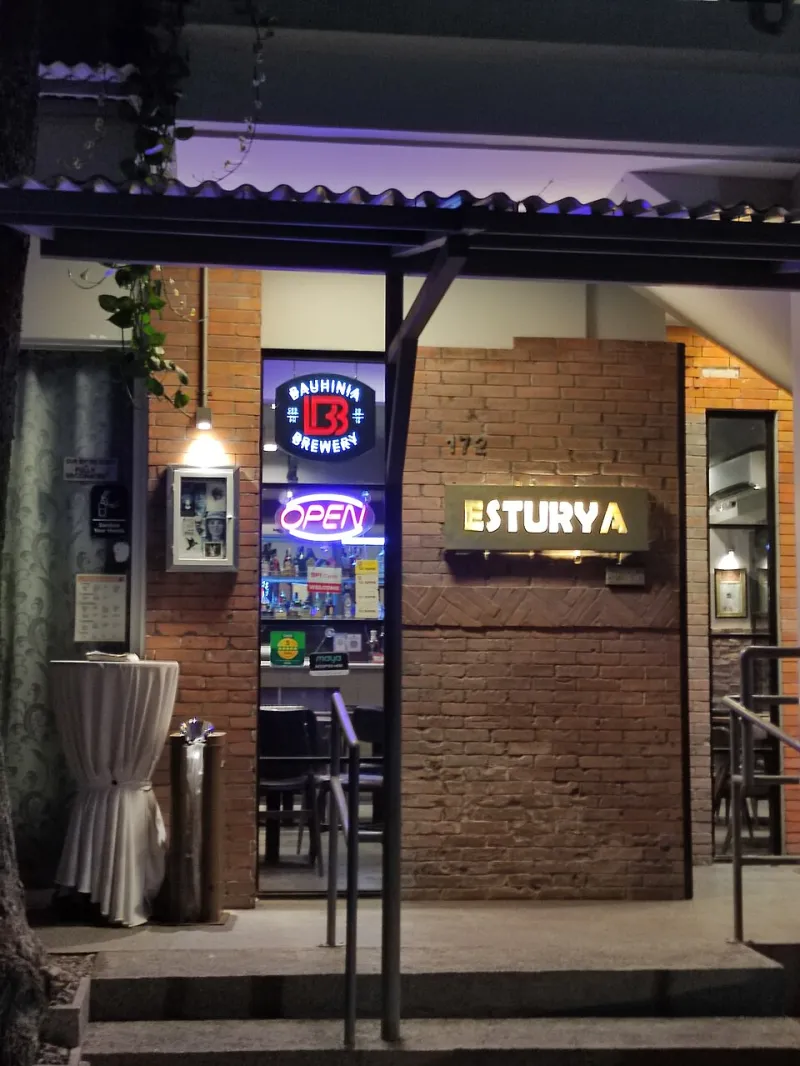
Photo: QueenCityCebu, CC BY-SA 4.0, via Wikimedia Commons
The Taproom as Teacher
There's a version of a craft taproom visit that's purely transactional — you show up, you order, you drink, you leave. And then there's the other kind. The kind where you look up and realize two hours have passed, you've talked to three strangers, and you're already planning your next visit before you've finished your current pint.
The second kind doesn't happen by accident. The best taprooms in the country are the result of deliberate decisions about space, sound, staff, programming, and the hundred small details that add up to an experience worth returning to. We spent time in five of them — spread across different regions, different sizes, and different brewing philosophies — to figure out what separates the memorable from the merely adequate.
Here's what we found. And here's what you can take home.
1. Watershed Brewing, Portland, Oregon — The Art of the Unhurried Pour
Watershed doesn't rush anything. The building, a converted 1940s machine shop in Northeast Portland, was renovated with deliberate slowness — reclaimed wood, Edison bulbs, and a bar top made from a single Douglas fir slab. The effect is a room that feels like it's been there forever, even though it opened six years ago.
But the real lesson from Watershed is in their staff training. Every bartender here can explain the brewing process behind every beer on tap in plain, conversational language — not a rehearsed pitch, but genuine enthusiasm. When you ask why a particular saison tastes the way it does, you get a story about the yeast strain and the temperature it was fermented at, delivered like a friend telling you something cool they learned.
What to steal: Knowledge is hospitality. Whether you're hosting people at home or just building your own palate, understanding what's in your glass — and being able to share that — transforms drinking into conversation.
2. Ironwood Taproom, Asheville, North Carolina — Food That Earns Its Place
A lot of taprooms treat food as an afterthought — a perfunctory concession to the customers who get hungry. Ironwood treats it as a co-equal part of the experience. Their menu is built around the same sourcing philosophy as their beer: local farms, seasonal ingredients, and an unwillingness to serve anything generic.
The standout isn't the food itself, impressive as it is. It's the intentional pairing culture. Every item on the menu has a suggested beer pairing printed next to it, and the staff are trained to walk guests through the reasoning. A smoked brisket flatbread alongside a rauchbier isn't a coincidence — it's a lesson in how complementary flavors amplify each other.
Ironwood also keeps its food menu short. Eight items, all executed perfectly, beats twenty items executed adequately every time.
What to steal: If you're building a home beer experience, resist the urge to over-cater. Pick two or three food pairings you know work and let the beer do the rest of the talking. Quality over volume, always.
3. High Desert Ales, Albuquerque, New Mexico — Community Programming Done Right
High Desert runs a weekly Tuesday event they call "Open Ferment" — a casual gathering where homebrewers bring samples, the taproom provides a few experimental pours from their own R&D batches, and everyone talks shop. No cover charge. No formal structure. Just beer people talking about beer.
The events have built a genuine community around the taproom in a way that happy hours and trivia nights rarely do. Regulars show up not just because the beer is good but because the people they want to talk to will be there. The taproom has become a node in a larger network.
High Desert also celebrates local obsessively — local artists on the walls, local musicians on the small corner stage on weekends, local ingredients called out explicitly on the tap list. The effect is a space that feels like it could only exist in Albuquerque, which is exactly the point.
What to steal: Community doesn't scale down perfectly, but the principle does. A regular beer night with friends — rotating who brings a new find, talking about what you're tasting — creates the same connective tissue that makes a great taproom feel like home.
4. Millstone Brewing, Minneapolis, Minnesota — The Atmosphere Equation
Millstone figured out something that many taprooms get wrong: silence is as important as sound. Their space has distinct zones — a louder, livelier bar area near the taps, and a quieter back room with lower lighting and communal tables designed for longer, more relaxed visits. Guests self-select based on what kind of night they want, and nobody feels like they're in the wrong place.
The music policy is deliberate too. No lyrics before 7 p.m. on weekdays — instrumental jazz, ambient, or low-key acoustic only. It keeps the energy calm and conversational during the early hours without killing the atmosphere entirely.
Their stein program is worth noting as well. Millstone runs a seasonal stein release tied to each new flagship beer — the stein design echoes the beer's branding, and the two are sold together as a package. Customers who buy in get early access to the next release. It's a loyalty loop that feels organic rather than manufactured.
What to steal: At home, think about zones. A kitchen counter pour is a different experience than sitting around a living room coffee table with proper glassware. Matching the setting to the occasion makes every beer taste better.
5. Tidal Root Brewing, Charleston, South Carolina — The Welcome That Sets the Tone
Every great taproom visit starts the same way: someone acknowledges you when you walk in. That sounds basic, but it's remarkable how many places get this wrong — letting customers stand awkwardly at a bar that's too busy to notice them.
Tidal Root has a dedicated "welcome position" during peak hours — a staff member whose primary job is to greet every person who comes through the door, give them a 30-second orientation (here's the tap list, here's how we do samples, here's where to sit), and make sure they feel like they belong. It costs the equivalent of a few hours of labor. The return in first-impression quality is enormous.
The taproom also runs a quarterly "Brewer's Table" dinner — twelve seats, a multi-course meal paired with unreleased beers, and the head brewer at the table for the whole evening. Tickets sell out in hours. The dinner has become the most talked-about event in Charleston's craft beer scene.
What to steal: When you're hosting a beer night, be the welcome. Give people context. Tell them what they're drinking and why you chose it. A host who's genuinely excited about the beer makes everyone else more excited too.
The Common Thread
Five taprooms, five different regions, five different approaches — but the throughline is consistent. The best ones treat every element of the experience as something worth thinking about. The glass, the food, the sound level, the first thirty seconds after you walk in. Nothing is accidental.
You don't need a converted machine shop or a dedicated welcome staff member to apply that philosophy. You just need to care about the details. That's the thing worth stealing from all of them.