Glassware as Gold: How Smart Breweries Are Making Steins the New Loyalty Card
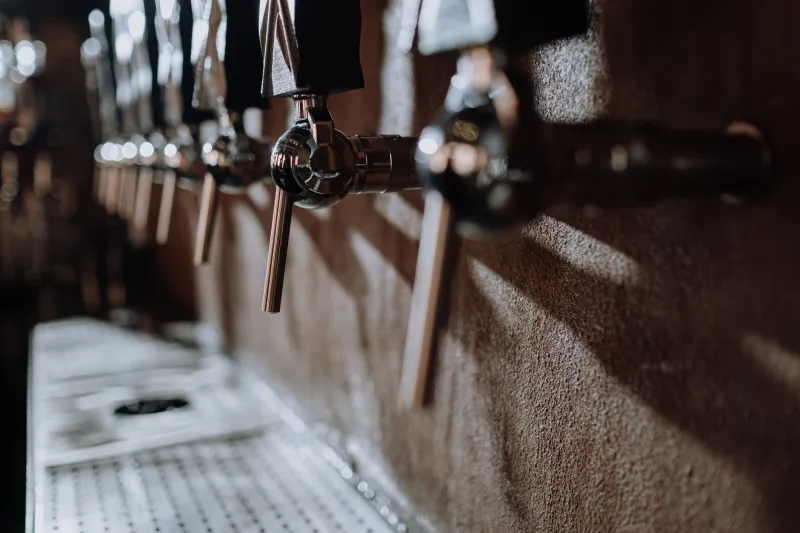
Walk into almost any thriving craft taproom on a busy Friday night and you'll notice something. Regulars aren't just ordering their usual pint — they're pulling personal steins from behind the bar, cradling them like old friends, and setting them down on the rail with the quiet confidence of someone who belongs. That's not an accident. It's a loyalty program, and it's working better than most breweries ever expected.
Across the country, a growing number of craft operations are scrapping the traditional punch-card model in favor of something far more tactile, far more personal, and — as it turns out — far more effective. They're making their glassware the centerpiece of the whole customer relationship.
Why a Stein Hits Different Than a Points Balance
There's a reason people hang on to certain objects. A baseball glove broken in over a summer. A coffee mug that's survived three moves. These things carry weight — literal and emotional. A well-made stein operates in exactly that territory.
When a brewery hands you a vessel with your name engraved on it, or releases a limited run of steins tied to a seasonal brew, they're not just giving you something to drink from. They're handing you a physical marker of belonging. You can't screenshot it. You can't lose it when you switch phones. It sits on your shelf and reminds you where you'd rather be on a Saturday afternoon.
That psychological hook is something taproom managers are leaning into hard. "People will drive past two other breweries to come back here because their stein is here," says one taproom manager at a regional brewery in the Pacific Northwest who asked not to be named for competitive reasons. "We keep them behind the bar in labeled slots. When a regular walks in and sees their spot, that's the moment. That's when you know they're yours."
The Mechanics of a Stein-Based Loyalty System
Programs vary widely in how they're structured, but most share a few core elements. Members — often called stein club members or mug club members depending on the brewery — pay an annual fee, sometimes ranging from $50 to well over $200 depending on what's included. In exchange, they receive a branded vessel, usually a stein or oversized mug, that gets stored at the taproom and pulled out for every visit.
The perks typically stack from there: discounts on pours, priority access to new releases, invitations to members-only events, and early entry to limited-edition seasonal drops. Some breweries have gotten creative with tiered systems where the longer you've been a member, the more elaborate your stein becomes — think hand-thrown ceramic with custom glazing versus the entry-level printed glass.
One Colorado brewery has taken the concept further still, releasing quarterly "stein drops" — limited runs of 50 to 100 vessels that sell out within hours of announcement. These aren't just for drinking. They're conversation pieces, collector items, and — increasingly — resale commodities.
When Drinkware Becomes a Status Symbol
Talk to serious stein collectors and you start to hear language that sounds more like sneaker culture than bar culture. "Grails." "Drops." "Colorways." The crossover is real, and it's deliberate.
Marcus T., a self-described craft beer obsessive based outside of Denver, estimates he's spent close to $3,000 building his stein collection over the past four years. He's got pieces from breweries in 11 states, some purchased directly, a few traded, and one or two acquired through what he calls "strategic patience" — showing up at a taproom repeatedly until a rare piece became available.
"It's the same impulse as any collecting," he says. "But the difference is these things are meant to be used. I actually drink from them. There's a story attached to every single one."
That story-driven quality is something breweries are capitalizing on by putting real craft into the design process. Collaborations with local artists, hand-numbered editions, steins that reference specific batches or brewing milestones — all of it adds layers of meaning that a digital loyalty point simply can't replicate.
What the Numbers Actually Show
Anecdotal evidence is compelling, but the data behind stein-based loyalty programs is starting to back up what taproom managers have felt in their gut for years. Breweries with active mug or stein club programs consistently report higher visit frequency among members compared to non-members. Some internal figures — shared informally by brewery owners at industry events — suggest members visit two to three times more often per month than casual customers.
The math makes sense when you think about it. A member who's paid an annual fee has a built-in reason to return and get value from that investment. Add a physical object that lives at the brewery and the pull becomes even stronger. You're not just returning for a beer — you're returning for your beer, in your vessel, in your spot.
Retention costs drop significantly when customers feel that kind of ownership. And because stein club members tend to be vocal advocates, word-of-mouth acquisition follows naturally. These are the people posting their collections online, bringing friends in to show off the taproom, and evangelizing for a brewery with genuine enthusiasm rather than incentivized referrals.
Building Community, One Vessel at a Time
Maybe the most underrated aspect of the stein-as-loyalty-tool model is what it does for the social fabric of a taproom. When regulars all have their vessels stored in the same place, they're bound by a shared ritual. The grab, the pour, the settle into a familiar seat — it creates continuity across visits and across the seasons.
Breweries that host stein release events — think ticketed evening affairs with live music, exclusive pours, and the ceremonial unveiling of the new vessel — are essentially throwing parties where the guest list is self-selecting. The people who show up are exactly the people you want in your taproom: engaged, enthusiastic, and willing to invest in the experience.
"We stopped thinking of it as a loyalty program and started thinking of it as a club," says one taproom director based in the Midwest. "The stein is the membership card. But the real product is the community."
That reframe — from transaction to belonging — is what separates the programs that thrive from the ones that fizzle. A punch card tells you how many times you've shown up. A stein tells you who you are when you're here.
The Takeaway for Taproom Culture
Craft beer has always been about more than the liquid. It's about the place, the people, the story behind what's in your glass. Stein-based loyalty programs tap into all of that simultaneously, turning a simple drinking vessel into a symbol of community membership that pays dividends for both the brewery and the guest.
For breweries still leaning on apps and digital points, the shift might feel counterintuitive. But in a world of frictionless transactions and disposable experiences, there's something quietly radical about handing someone a heavy, beautifully crafted piece of drinkware and saying: this is yours, and it lives here.
That's not just a loyalty strategy. That's how you build a regular.